How many restrooms does a county fair need in Santa Barbara?
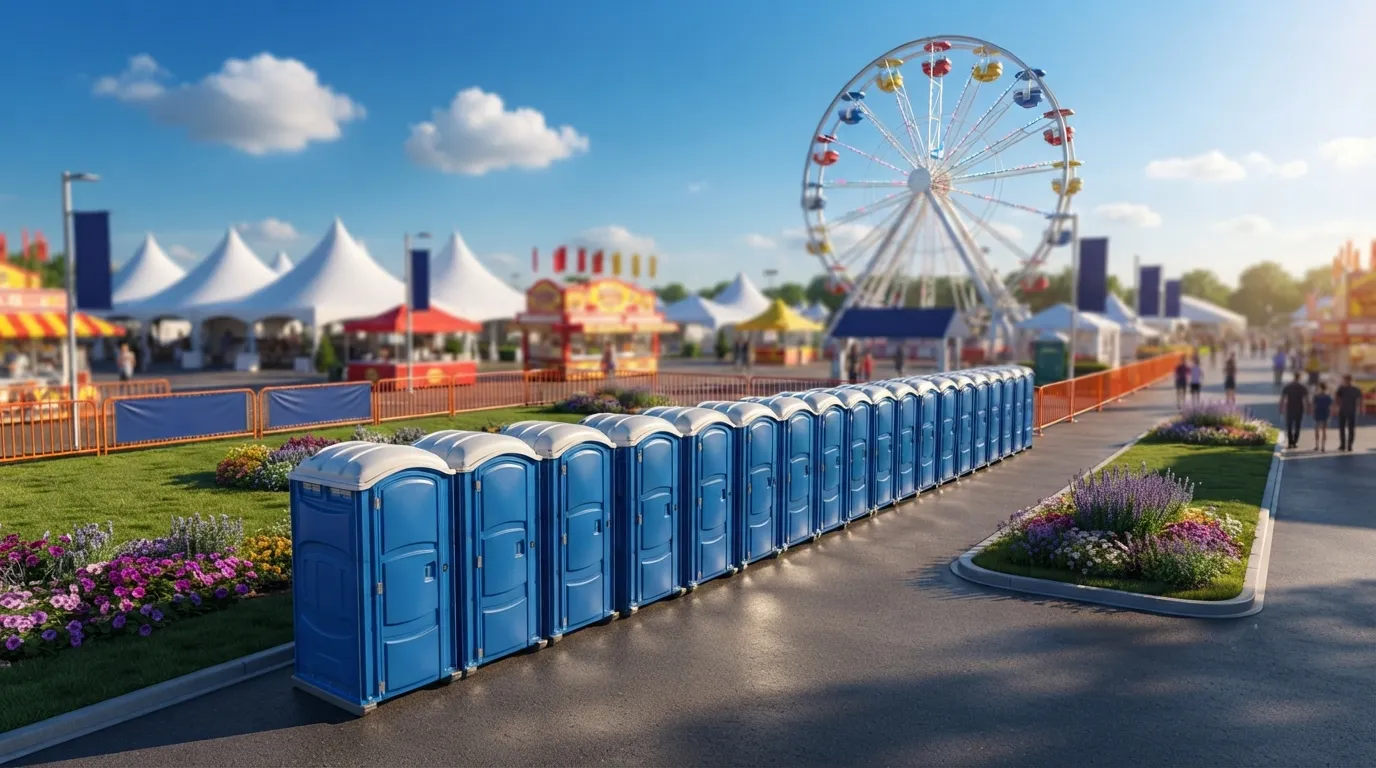
Start with attendance, not gut feeling. Fair organizers in Santa Barbara typically size restrooms off peak-hour headcount, then add handwashing and ADA units on top of that base number. Our guide to how many porta potties you need walks through the math, but the short version: a fair drawing 2,000 people at peak hour wants a real cluster, not four units scattered near the gate. Group them near food vendors and grandstands, and space a second cluster near livestock areas so lines do not bottleneck walkways. OSHA 1926.51(c)(1) sets construction-site toilet ratios by worker count and is not written for public events, but it is the closest sourced benchmark for planning sanitary load per person, and fair organizers in Santa Barbara often use it as a floor. Standard units run $100 to $350 a day or $130 to $500 for a full week, and for a multi-day fair, weekly or event-block pricing beats booking day by day. If your event pulls families and elderly attendees, ADA-accessible units need a 60 inch turning circle per ADA Standards section 304.3.1 and a 32 inch clear door opening per ADA Standards section 404.2.3. Skip the accessible unit and you will hear about it from the first wheelchair user who tries to get through a 27 inch door and cannot. For fairs expecting VIP tents or a beer garden, a deluxe flushable unit or a small restroom trailer upgrades the experience without the full footprint of a stadium-scale setup. Santa Barbara Porta Pros lays out clusters based on walking distance from grandstands, midway, and parking, not just gate count.
What restroom setup works best for multi-day fairs?
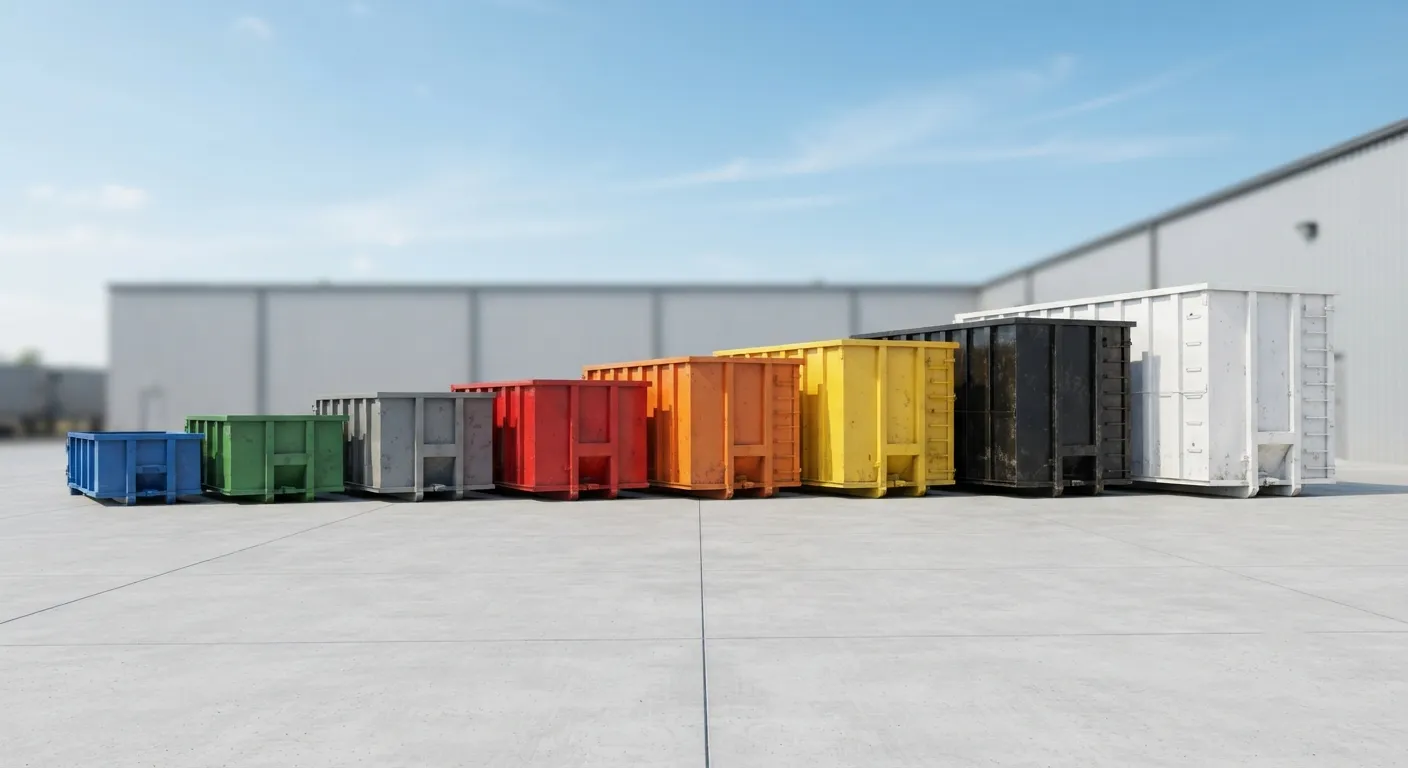
Multi-day fairs need service mid-run, not just delivery and pickup. A standard 60 to 70 gallon holding tank fills fast under fairgrounds traffic, and ANSI/PSAI Z4.3 sets a baseline of one service visit per week for up to 10 users over a 40 hour week, a pace that county fair crowds blow past in hours, not days. Budget for daily servicing during the run. Pair each restroom cluster with a handwashing station: soap and towels are required under 29 CFR 1910.141(d)(2), and hand sanitizer alone does not satisfy that standard. Food vendors need this most, and a station placed at both ends of the food row keeps lines moving. For fairs with a demo kitchen or vendors using degreasers, OSHA 1926.51(f)(1) covers washing facilities specifically where paints, coatings, herbicides or insecticides are applied, so that citation applies to maintenance crews spraying midway equipment, not general fairgoers. Larger fairs also lean on temporary fencing to route foot traffic past restroom clusters and keep queues from spilling into vendor aisles, and a few light towers near evening restroom clusters cut complaints once the sun drops. If your fair runs a full carnival footprint, a roll-off dumpster near food court exits handles the trash volume that restrooms alone will not. Santa Barbara sits inland enough that fairgrounds events do not usually deal with coastal fog delays, but plan deliveries a day ahead of gates opening so crews can walk the site once units are placed.
Where should restroom clusters go on a fairgrounds site?
Placement decides whether people find a bathroom before they get desperate. Put clusters at the ends of the midway, near grandstand exits, and by any beer or wine garden, since those draw the heaviest bladder traffic per hour. Ground under each unit should be stable and slip resistant per ADA Standards section 302.1, which matters on grass lots that get soft after a full day of foot traffic and any irrigation runoff. Keep a 36 inch clear path to every accessible unit per ADA Standards section 403.5.1, and do not let a vendor tent or generator cord block that route once the fair is underway. Santa Barbara events on paved lots have it easier than grass fairgrounds, since service trucks need firm footing to pump and swap tanks daily. If your fair sits close to Montecito, 5.9 miles east, or draws overflow crowds from Goleta, 11.8 miles west, plan for satellite parking restrooms too, since shuttle drop points create their own mini rush hours. Our porta potty placement guide covers clearance and grading in more depth. Check with the city on any right-of-way placement before the fair opens; that confirmation needs to happen locally, since we cannot cite a specific ordinance here.
How far in advance should I book restrooms for a county fair?
Book 60 to 90 days out for a multi-day fair. Fairgrounds season books up fast in Santa Barbara, and vendors need confirmed counts before they commit. Waiting until two weeks out limits you to whatever inventory is left, not what your headcount actually needs.
Do county fairs need ADA-accessible restrooms?
Yes. ADA Standards section 213.2 requires at least 5 percent of clustered single-user units to be accessible, with a minimum of one per cluster. A fair with six restroom clusters needs an accessible unit at each one, not just at the main entrance.
How often are restrooms serviced during a multi-day fair?
Daily servicing is standard for fairgrounds traffic. ANSI/PSAI Z4.3 sets a weekly baseline for light use, but a fair pulling thousands of visitors a day needs tanks pumped and restocked every morning before gates open.
What is included with a handwashing station rental?
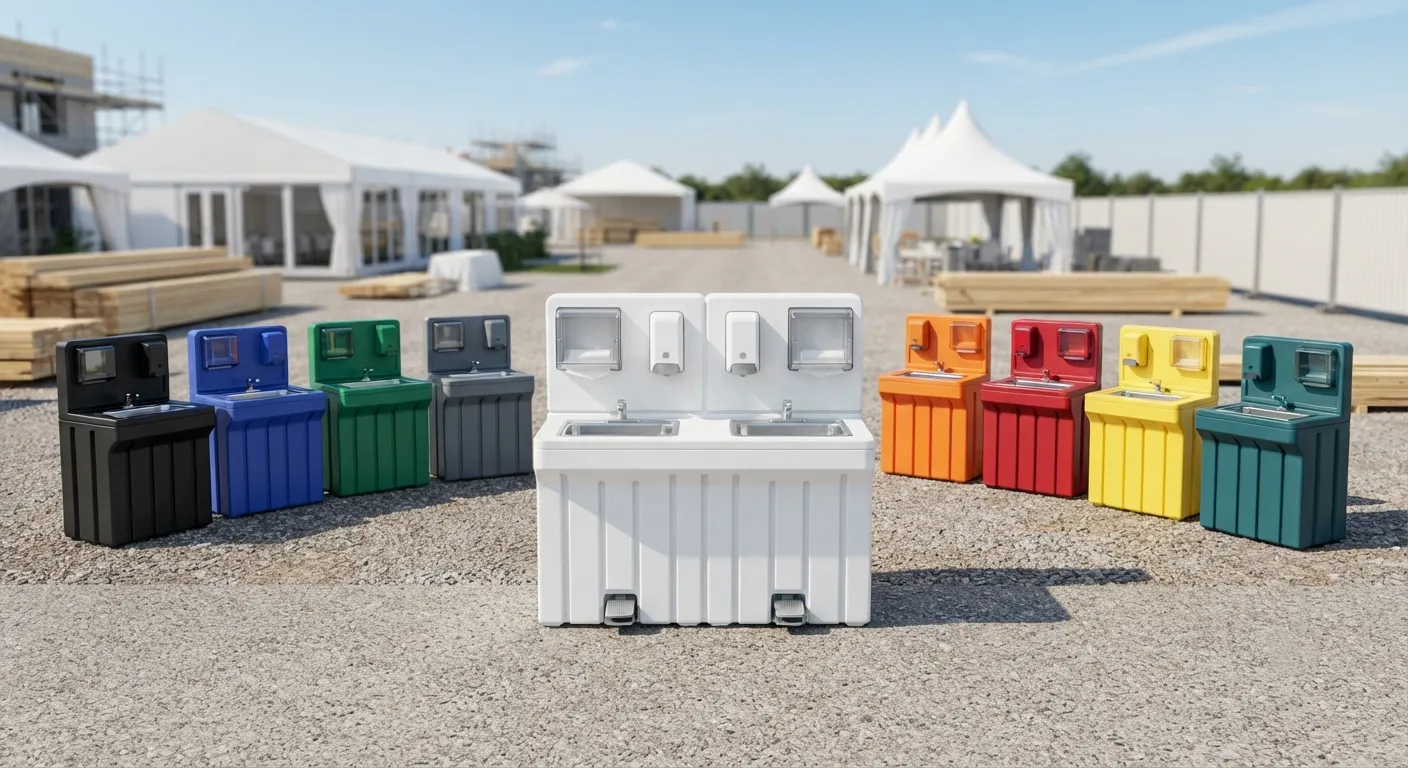
A handwashing station includes a water reservoir, soap, and towels, since 29 CFR 1910.141(d)(2) requires soap and towels or a hand dryer, not sanitizer alone. Food vendor rows and livestock barns both need one nearby.
Can restroom trailers work for a VIP or sponsor area?
Yes. A restroom trailer fits VIP tents, sponsor lounges, and beer gardens where attendees expect a step up from standard units. Trailers need level, stable ground and clear access for delivery, so confirm placement early with Santa Barbara Porta Pros.
Next step
Get a delivery date
Tell us the address, the dates and the headcount. We size the order and confirm the route.