How Do Porta Potties Work?
There is no plumbing involved, which is why they work anywhere in Santa Barbara, from a hillside build near Mission Canyon to a beach lot in Montecito. Waste drops into the holding tank, a blue or green deodorizing chemical breaks it down and knocks back the smell, and a vent stack pulls odor up and out above head height. A standard unit measures about 44 by 48 inches on the ground and stands roughly 92 inches tall, so it fits in a driveway or a tight side yard without much fuss. There is no flush, no water tank feeding it, nothing to freeze or burst. When the tank nears capacity, a service truck vacuums it out, rinses it, and redoses the chemical, the same routine whether the unit sits on a construction site or a backyard wedding lot. Curious what that costs weekly versus daily? Check porta potty rental per day in Santa Barbara or the full porta potty rental cost breakdown before you book.
How Does a Portable Sink Work?
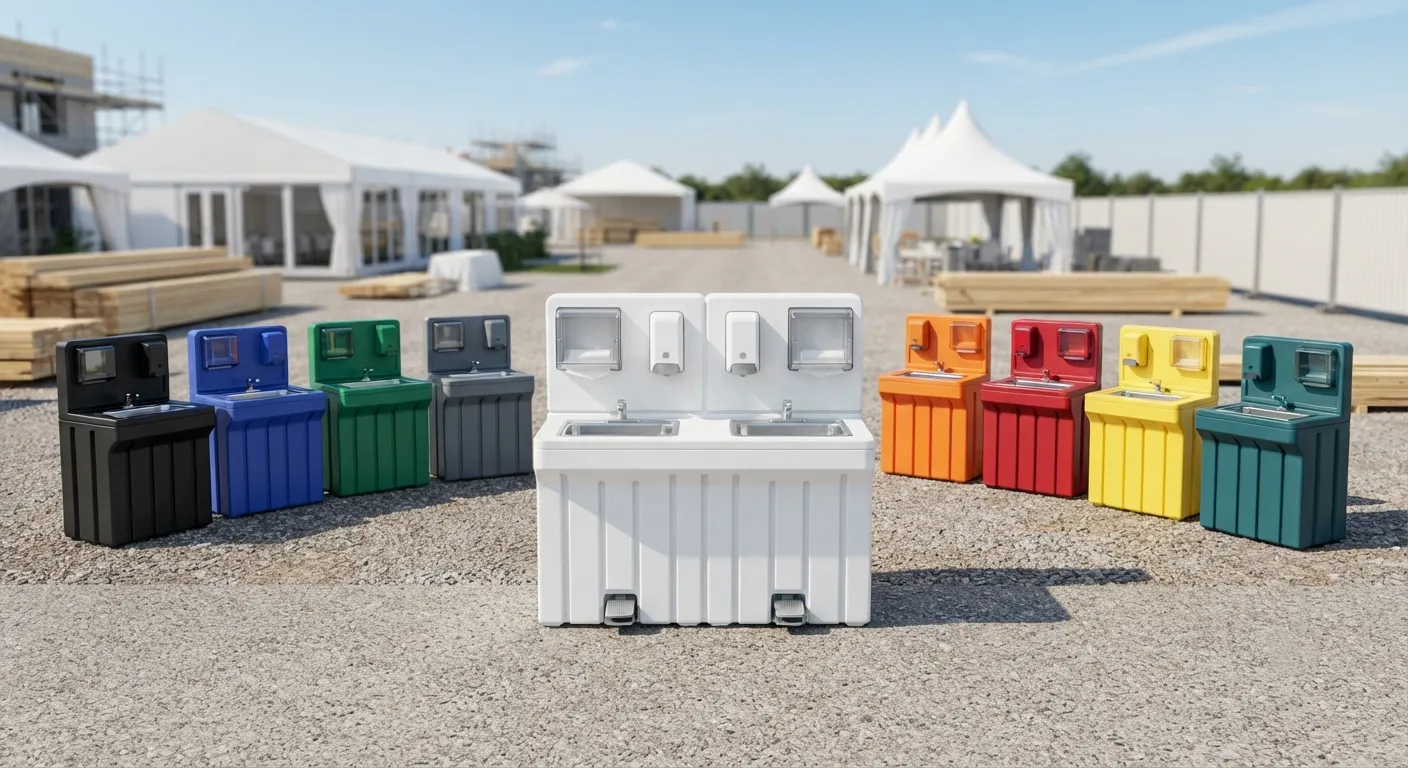
A portable sink runs on a self-contained fresh water tank and a foot pump or battery pump, no hose bib required. Water comes up through the tap, drains into a gray water holding tank underneath, and both tanks get refilled and pumped out during service. That setup matters because 29 CFR 1910.141(d)(2) requires soap and towels or a hand dryer at washing facilities, and hand sanitizer alone does not satisfy it. Construction crews working with paints, coatings, herbicides or insecticides fall under OSHA 1926.51(f)(1), which specifically requires washing facilities for those contaminant exposures. A handwashing station rental or a dedicated portable sink rental covers that requirement without running a water line to a jobsite. Farm operations have their own rule: OSHA 1928.110 calls for potable water, toilets, and handwashing within a quarter mile walk of hand-labor employees, at one facility per 20 workers.
How Do Flushable Porta Potties Work?
A deluxe flushable unit uses a small onboard freshwater tank and a foot pump or hand pump to push a measured rinse through the bowl after each use, instead of relying on gravity and a chemical soup alone. That rinse water joins the waste in a larger holding tank, so service intervals matter more on high-traffic events. A deluxe flushable porta potty suits a Santa Barbara wedding or a multi-day shoot better than a standard unit, since guests notice the difference immediately. Restroom trailers take this further with real plumbing, hot water, and interior finishes closer to a home bathroom; see the restroom trailer rental options or compare stall counts on the 4 stall restroom trailer page. Pricing separates sharply from standard units, which is worth checking on the restroom trailer rental cost page before committing.
Why Do Construction Sites Need a Certain Number of Units?
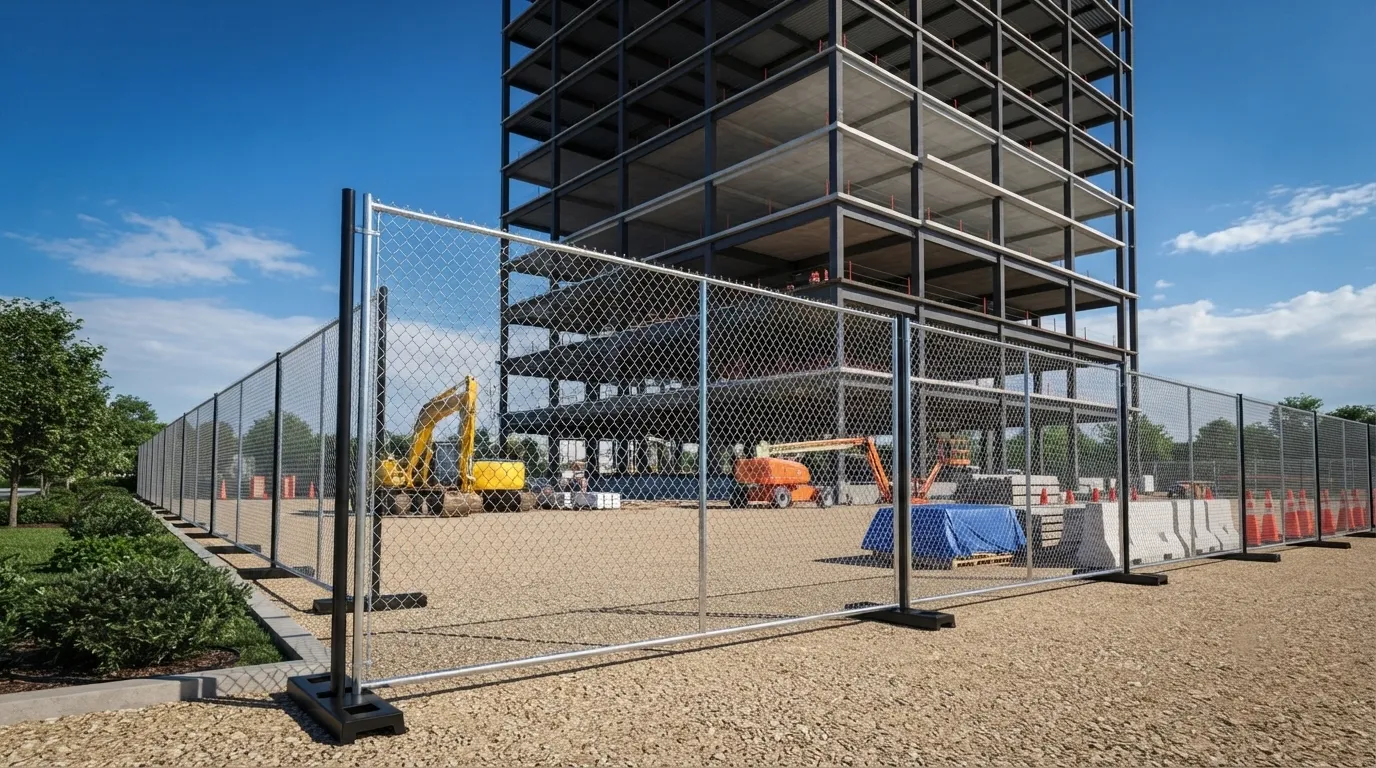
OSHA sets it by headcount. Under 1926.51(c)(1), a crew of 20 or fewer needs 1 toilet facility; from 20 up to 200 workers, add 1 toilet seat and 1 urinal per 40 people; at 200 or more, that ratio drops to 1 per 50. A general contractor running a 35-person crew on a Santa Barbara build should plan for more than one unit, and undercounting invites a citation during inspection. General industry sites, as opposed to construction, follow 1910.141(c)(1)(i) instead. Figuring out unit count gets easier with the how many porta potties do I need guide, and job trailers, fencing and dumpsters round out a full site package worth reviewing on construction site services.

Weekly, Daily, and Monthly Options
| unit | day | week | month |
|---|---|---|---|
| standard | $100 - $350 | $130 - $500 | $125 - $325 |
| ada | $200 - $400 | $240 - $400 | - |
| deluxe | $85 - $1200 | $150 - $290 | - |
A weekend rate for a standard unit runs from $125 to $400, useful for a Saturday event that does not need a full week. Rates depend on unit type, service frequency and how far the delivery truck travels, whether that is a job site in Santa Barbara proper or 11.8 miles west toward Goleta. Long jobs usually make more sense as a monthly porta potty rental than repeated daily bookings. ADA-compliant units meet ADA Standards 213.2, which requires at least 5 percent of clustered units, and never fewer than one, be accessible, with a 60 inch turning circle per ADA Standards 304.3.1.
How do camping porta potties work?
Same tank-and-chemical system as a jobsite unit, just placed for foot traffic instead of trucks. Camping and outdoor event setups favor standard units for cost, though multi-day festivals often add handwashing station rental units nearby. See camping porta potty options for placement guidance.
What chemical goes in a porta potty?
A blended deodorizer and digester, usually blue or green, breaks down waste and masks odor between services. It is not the same product used for a septic tank cleaning chemical job, which targets a much larger tank and different bacteria balance; see septic tank cleaning for that distinction.
Why is a construction worker running to a porta potty a placement problem?
Long walks across a site usually mean units got placed too far from active work zones. OSHA does not set a maximum distance, but practical placement follows the porta potty placement guide, keeping units within a short walk of every crew area.
How often does a septic tank need cleaning versus a porta potty?
A residential septic tank typically gets pumped every 3 to 5 years depending on tank size and household size, while a rented porta potty gets serviced weekly under standard schedules. Details live on how often to pump a septic tank.
Do porta potties need a permit in Santa Barbara?
Placement in the public right of way needs confirming with the city directly; permit rules vary by location and were not verified for this page. Check porta potty permit requirements before delivery day, especially for street-facing placements.
Next step
Get a delivery date
Tell us the address, the dates and the headcount. We size the order and confirm the route.