Where should a porta potty go on a job site?
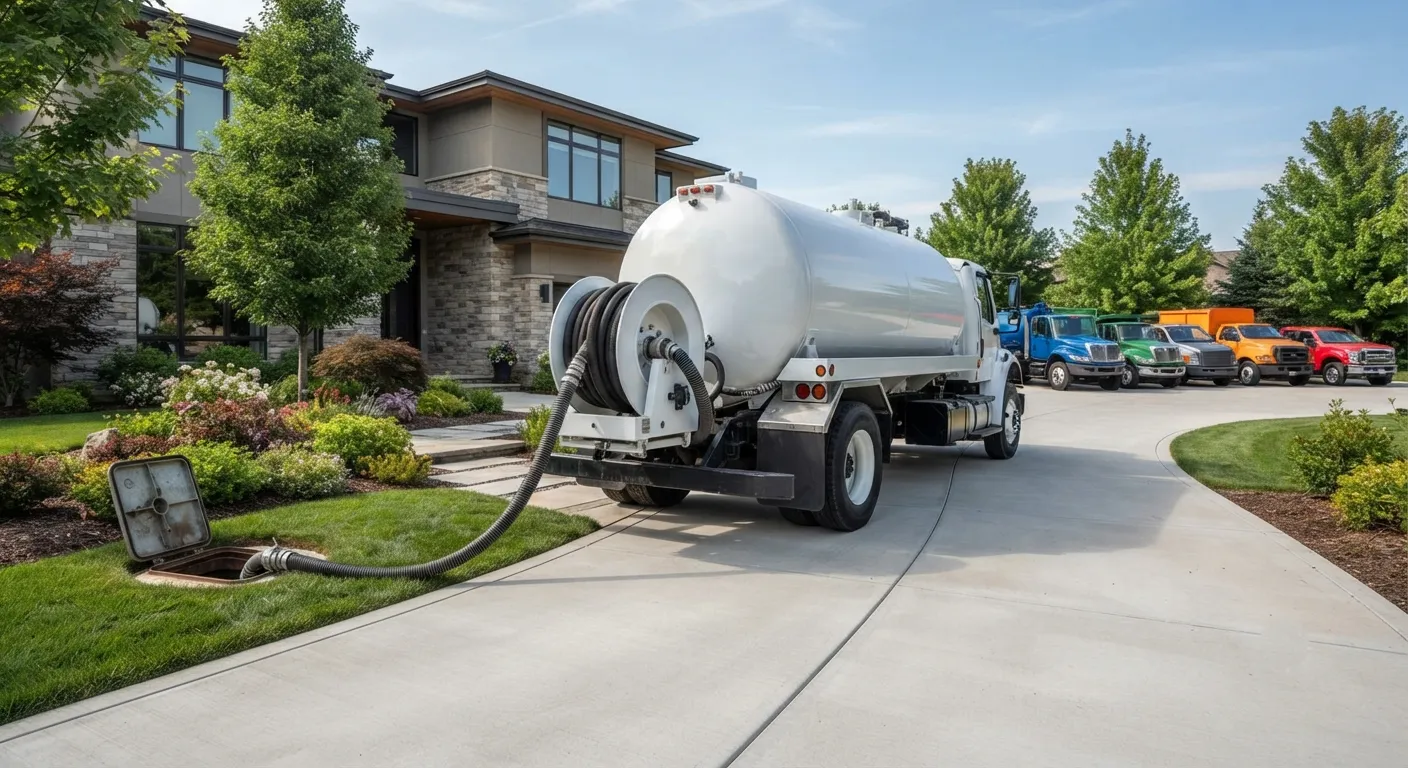
Put it where the crew already walks, not where it looks tidy on paper. A flat, firm surface matters more than looks: ADA Standards section 302.1 calls for stable, firm, slip resistant ground, and that standard is a good baseline even on a standard unit without a ramp. Keep it within reach of the work, but leave the service truck a straight shot. Most vendors ask for roughly 60 feet of clearance behind the unit so the truck can align its hose and pump without three-point turns around a fence line. If you are planning a construction site services layout in Santa Barbara, sketch the truck route before you sketch the unit. Avoid low spots that pool water after rain, and skip anything under a slope that drains toward the door. Distance from the work matters too: too far and workers skip the walk, which drives up complaints and slows the job. For crews figuring out unit count first, how many porta potties do i need walks through the ratio before you worry about placement at all.
Are there rules for where I can put a porta potty?
Placement in a public right of way, on a sidewalk, or on a street shoulder needs confirming with the City of Santa Barbara before delivery. We are not going to guess at a fee or a permit number here, because that changes by property and by crew, and a wrong guess costs you more than a phone call would. If the site sits on private property set back from the street, you generally have more room to choose. For events, check event restroom rental guidance early, since layouts for a wedding, a festival or a race often need city sign-off that a private jobsite does not. The same caution applies to a dumpster placement permit: dumpster placement permit cost and porta potty placement rules both hinge on whether the unit sits on public ground, and that is a city question, not a guess we will make for you. If you are near Montecito, about 5.9 miles east of central Santa Barbara, or Carpinteria, 14.1 miles east, local rules can differ enough to matter.
How many units do I need and where should each one sit?
OSHA 1926.51(c)(1) sets the construction ratio: one toilet for 20 workers or fewer, then one toilet seat and one urinal per 40 workers once you pass 20, dropping to one per 50 once you hit 200 or more. Spread units out rather than clustering them at one end of a large site; walk time matters as much as the ratio. On accessible layouts, ADA Standards section 213.2 requires at least 5 percent of clustered single-user units to be accessible, and never fewer than one, which is why an ada accessible porta potty belongs in the plan from the start, not added after the fact. Each accessible unit needs a 60 inch turning circle per ADA Standards section 304.3.1 and a door opening of at least 32 inches under section 404.2.3, so give it a wider, flatter pad than a standard unit. For farm crews, OSHA 1928.110 sets a different rule: one facility per 20 workers, reachable within a quarter mile walk, which changes placement logic entirely on spread-out acreage covered in farm and agricultural restrooms.
Do I need extra space for handwashing or a restroom trailer?
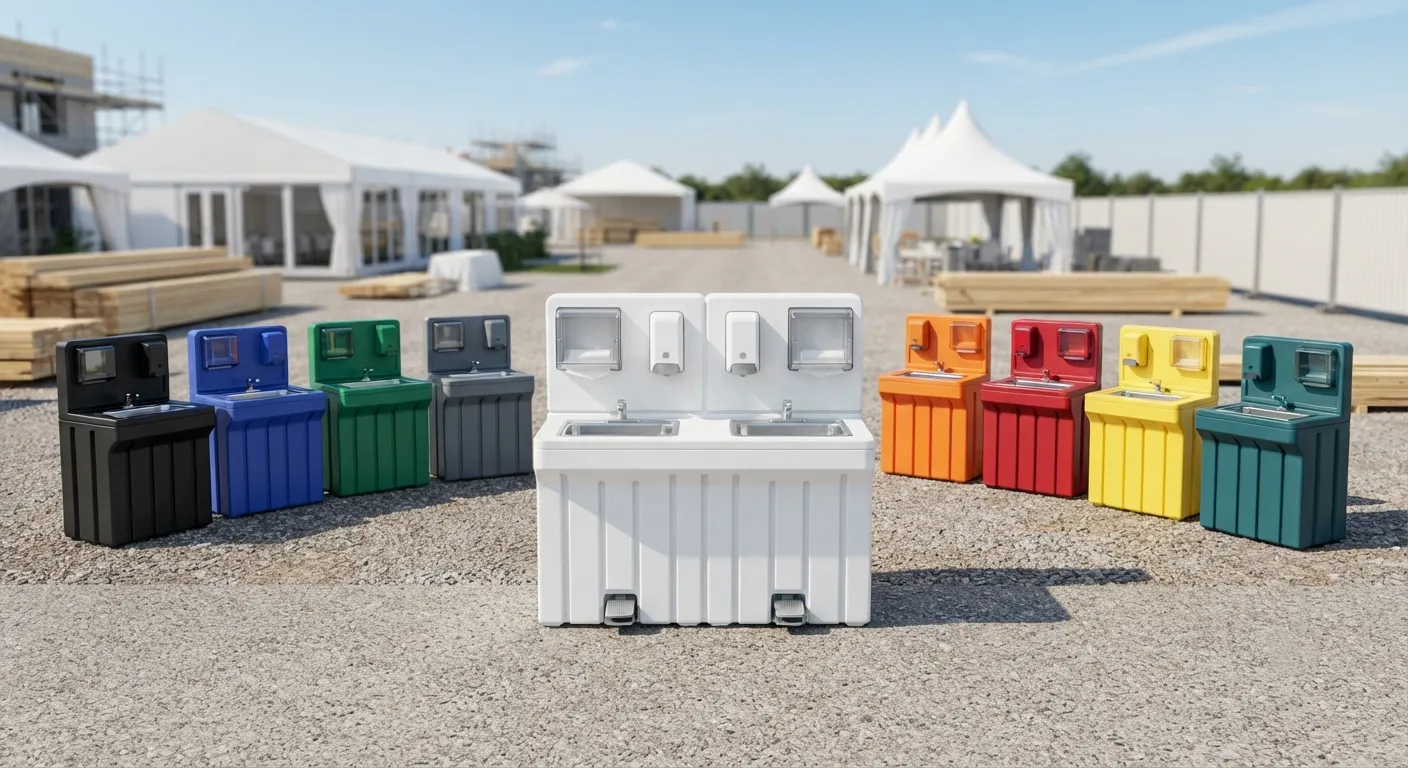
Yes, and it is easy to underbudget. A handwashing station rental needs its own flat pad near the toilets, not tucked behind them, since 29 CFR 1910.141(d)(2) requires soap and towels or a hand dryer, not sanitizer alone. If your crew applies paints, coatings, herbicides or insecticides, OSHA 1926.51(f)(1) requires washing facilities for that contaminant exposure specifically, so plan a station within walking distance of that work, not just at the entrance. A portable sink rental with an Ozark River-style basin needs occasional parts service; ozark river portable sink replacement parts are a maintenance detail worth asking your vendor about before peak season, not during it. Restroom trailers need more room again: check restroom trailer rental specs before committing a pad, since a trailer needs level ground plus room to open service doors and run water lines. If you are outfitting a jobsite office too, a mobile office trailer rental with mobile office trailer replacement doors on the maintenance list should sit on its own pad, away from foot traffic to the restrooms.
| unit | day | week | month |
|---|---|---|---|
| standard | 100-350 | 130-500 | 125-325 |
| ada | 200-400 | 120-240 | n/a |
| deluxe | 85-1200 | 150-290 | n/a |
Rates vary by duration and unit type; see porta potty rental cost for the full breakdown.
Can I move a porta potty once it is placed?
Yes, but call your vendor first rather than dragging it yourself. Units are heavy once the tank has waste in it, and moving one wrong risks a spill. Santa Barbara Porta Pros can reposition a unit during a scheduled service stop in most cases.
What is the minimum clearance around a unit?
Plan for roughly 3 feet of clear space on all sides for the door swing and servicing, plus a straight path for the truck. ADA units need more: a 60 inch turning circle inside, per section 304.3.1, so budget a wider pad outdoors too.
Does a septic tank need special placement thought too?
If you are pumping rather than renting, yes. A residential tank is typically pumped every 3 to 5 years depending on size and household use. See septic pumping service or how often to pump a septic tank for the detail.
Where do dumpsters need to sit relative to porta potties?
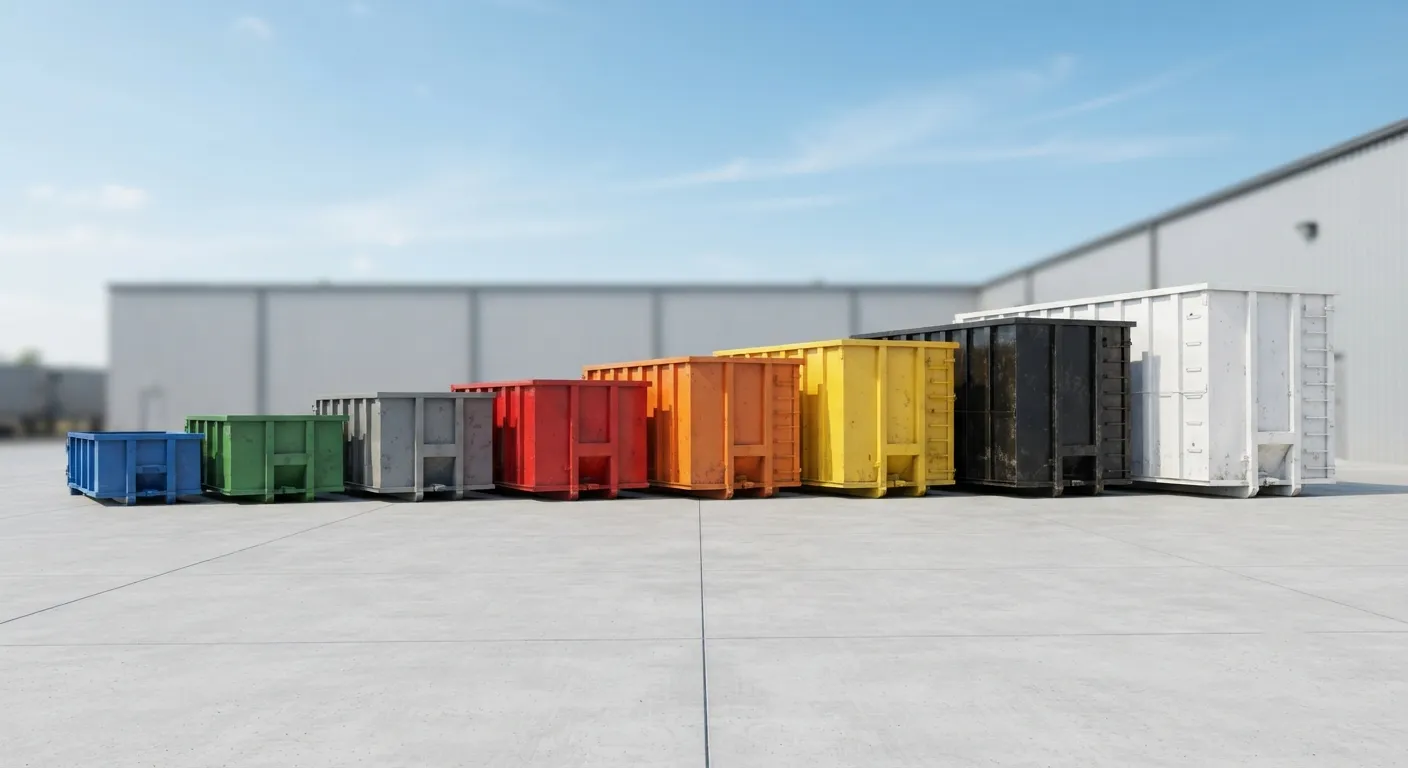
Keep them apart if you can. A roll-off needs about 60 feet of straight clearance behind the delivery truck, same as a porta potty pump-out, so competing truck paths cause delays. Check roll-off dumpster rental for sizing.
Do I need a permit just for a porta potty on my own driveway?
Usually not, but confirm with the city if the unit sits anywhere near the sidewalk or street. See porta potty permit requirements before delivery day to avoid a rescheduled truck.
Next step
Get a delivery date
Tell us the address, the dates and the headcount. We size the order and confirm the route.